Best Ski Boots in 2026
We researched and compared the top options so you don't have to. Here are our picks.
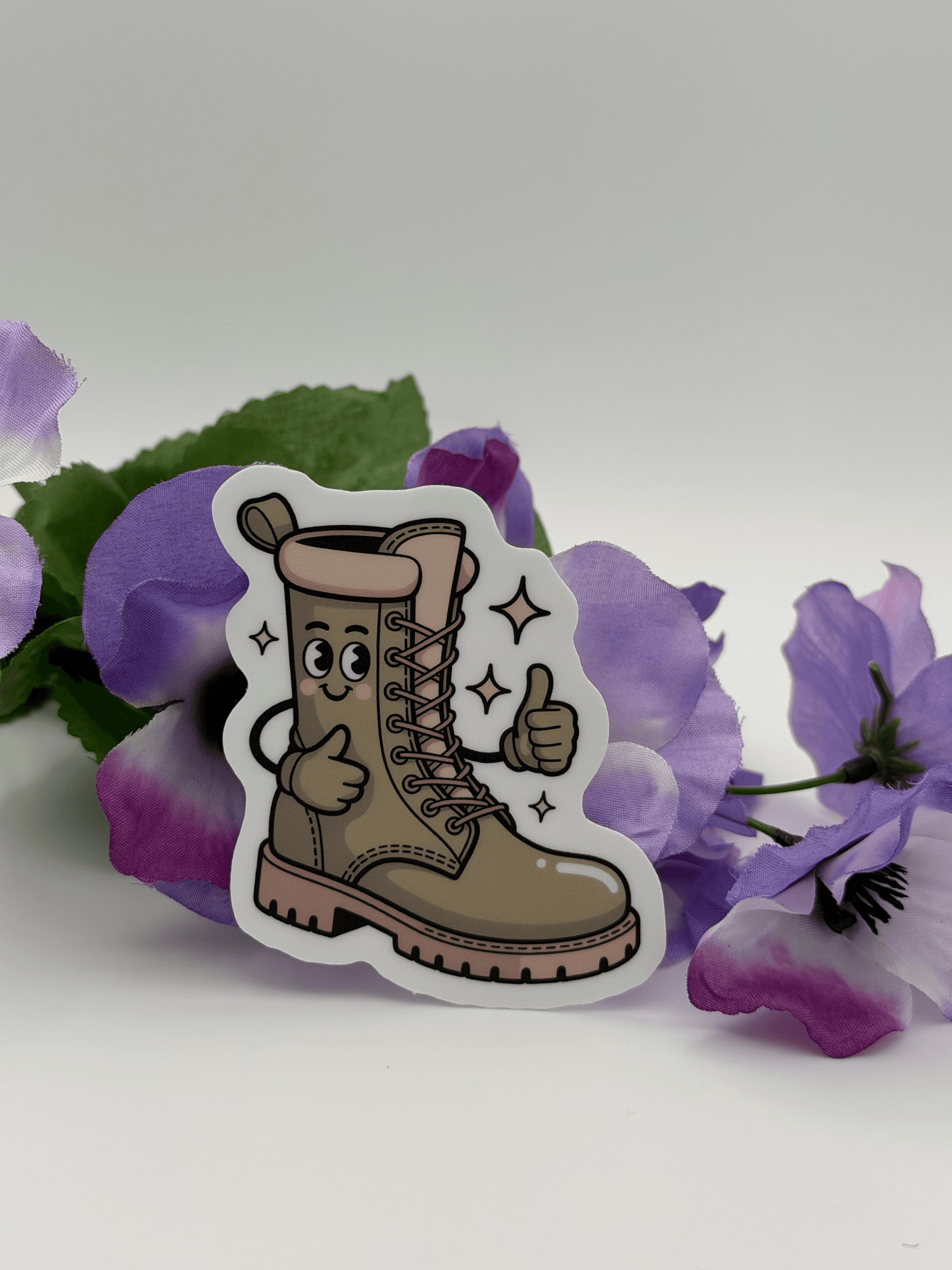
1. Cute Kawaii Combat Boot Vinyl Sticker
by Sticker
- Sure! I can provide highlights, but I need to know the product features first. Please share the details about the product.
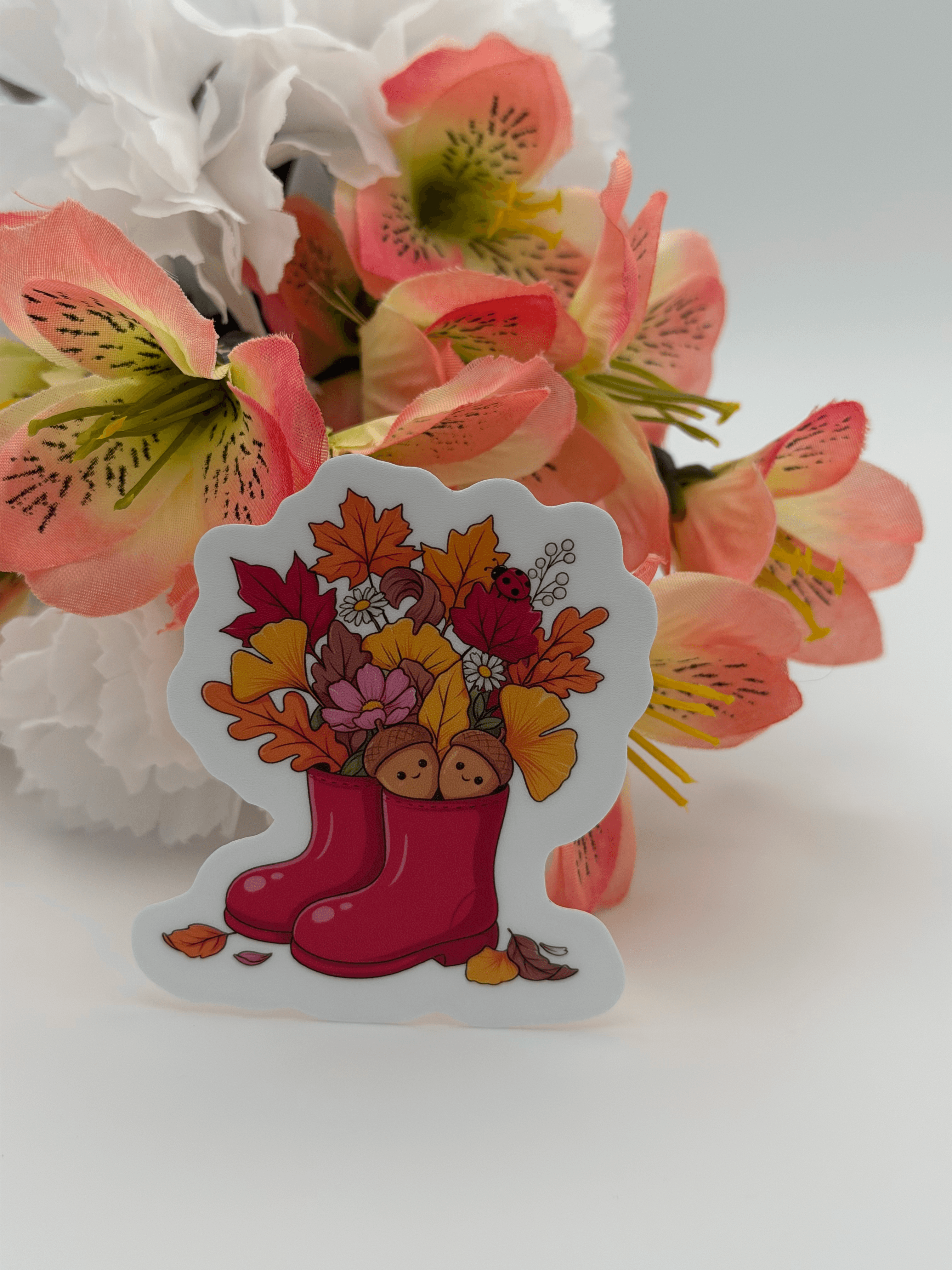
2. Autumn Rain Boots Vinyl Sticker
by Sticker
- Sure! Please provide the product features you'd like me to summarize, and I can create the highlights for you.

3. K2 BFC 80 Men's Ski Boots (Grey, 28.5)
by K2
- Effortless hands-free entry for seamless on-and-off experience.
- Custom fit with heat-moldable shell and cuff for all foot shapes.
- Advanced Cushfit comfort with extra padding for superior support.

4. Nordica The Cruise Men's Comfort Fit All Mountain Alpine Ski Boots (Black/White/Red, 31.5)
by Nordica
- Effortless Fit: Dual soft flap for easy on/off, enhancing comfort.
- Custom Comfort: I.V.C. system lets you tailor fit in seconds.
- Precision Adjustment: Infrared tech targets pressure points for bespoke fit.

5. Rossignol EVO 70 HV+ - Ski Boots for Men and Women - Black
by ROSSIGNOL
- Optimal energy transfer & control for high-speed skiing performance.
- Relaxed 104mm fit for all-day comfort & generous support.
- Lightweight design ensures full power & smooth direct-to-ski energy.
How to Fit Ski Ski Boots in 2026? Start with one uncomfortable truth: most recreational skiers are still skiing in boots that are 1 to 2 sizes too big. In bootfitting shops, that mistake shows up fast—heel lift, numb toes by the second run, shin bang after lunch, and sloppy edge control on anything firmer than groomed corduroy.
I’ve spent enough time in rental lines, fitting rooms, and snowy parking lots to know this problem isn’t theoretical. A boot can feel “comfortable” for 90 seconds in a warm shop and still ski terribly for 6 hours in 20°F to 30°F conditions, once your liner packs out and your foot starts moving around.
That’s why How to Fit Ski Ski Boots in 2026? isn’t really about chasing softness. It’s about getting the right shell fit, last width, instep volume, flex, liner behavior, and stance so your boots feel precise without cutting off circulation. You’ll learn how to size ski boots properly, what numbers actually matter, where buyers overspend, and which red flags in reviews predict a bad fit before you click buy.
How we select products: Our team reviews products daily, analyzing customer ratings (4.0+ stars minimum), pricing trends, discount history, fit feedback, and real buyer comments to surface options that provide strong value. For ski boots specifically, we prioritize shell accuracy, liner durability, return-rate signals, and consistent sizing feedback across major retailers.
How to Fit Ski Ski Boots in 2026? Start With Shell Fit, Not Street Shoe Size
The biggest fitting mistake I still see in 2026 is using sneaker size as the main reference. Ski boots use Mondopoint sizing, which is based on foot length in centimeters, and that number is usually more reliable than your casual shoe size because sneakers vary wildly in toe-box shape and volume.
Here’s the fast method: stand with your heel against a wall, measure both feet in centimeters, and use the longer foot. If one foot is 26.3 cm and the other is 26.0 cm, start with a 26.5 mondo shell, not a random conversion from your running shoes.
But length is only step one. Real ski boot fitting starts with a shell check:
- Remove the liner.
- Put your foot in the empty shell.
- Slide your toes until they just brush the front.
- Check the space behind your heel.
For most intermediate to advanced skiers, 10 to 20 mm behind the heel is the sweet spot. Around 15 mm often feels ideal: snug enough for control, not race-tight. More than 20 to 25 mm usually means the boot is too long and will become sloppier after 5 to 10 ski days as the liner compresses.
That single test tells you more than 20 minutes of walking around carpet.
What does “proper ski boot fit” feel like when you first try them on?
A properly fitted alpine ski boot should feel snug everywhere, painful nowhere. Your toes should lightly touch the front when standing upright, then pull back slightly when you flex forward into a ski stance.
That detail matters. If your toes are jammed hard into the front even when flexed, the shell is too short or the instep is forcing your foot forward. If your toes never touch the front at all, the boot is probably oversized.
You should also notice:
- Firm heel hold with minimal lift
- Even pressure across the forefoot, not a hot spot on one bone
- Secure ankle wrap without crushing the top of the foot
- Shin contact on the tongue without a harsh pressure point
- Buckles closed in a middle adjustment range, not maxed out
A lot of buyers confuse “roomy” with “good.” In reality, a ski boot that feels like a slipper indoors often becomes unstable on snow by run three.
How to Fit Ski Ski Boots in 2026? Measure Last Width and Foot Volume Before You Buy
Length gets all the attention, but last width and volume cause just as many problems. Most adult ski boots fall into rough width categories around 96–98 mm (narrow), 100 mm (medium), and 102 mm+ (wide), measured at a reference shell size.
If your forefoot is wide, jamming it into a low-volume shell creates numbness within 30 to 60 minutes. If your foot is narrow inside a high-volume shell, you’ll crank buckles too tight and still get heel movement.
Volume matters just as much as width. A skier with a high instep often struggles more with top-of-foot pressure than toe-box width. Meanwhile, low-volume feet can swim inside boots that technically match length.
Use this quick self-check:
- Low-volume foot: thin ankle, narrow heel, low instep, slim calf
- Medium-volume foot: average heel hold, average arch height, moderate forefoot width
- High-volume foot: taller instep, fuller ankle, wider midfoot, more buckle pressure needed
If you’re comparing options online, read fit notes carefully and look for recurring review phrases like “tight over instep,” “roomy heel pocket,” or “packs out quickly.” I’ve seen those comments predict fit issues more accurately than generic size charts. For broader fit-comparison research habits, some buyers cross-reference niche sources on this page, though your foot measurements should always lead the decision.
What flex rating should you choose for your weight and ability?
Flex rating isn’t standardized across all manufacturers, but it’s still useful as a buying filter. For most adults, the practical ranges look like this:
- Softer flex: better for beginners, lighter skiers, and slower speeds
- Mid flex: ideal for progressing intermediates skiing mixed terrain
- Stiffer flex: best for advanced skiers, stronger legs, and higher edge forces
A skier who weighs 140 lb and skis mostly groomers doesn’t need the same stiffness as someone who weighs 210 lb and skis fast in chopped snow. A boot that’s too soft folds under pressure; too stiff and you’ll struggle to bend it, especially in cold weather where plastics can feel 10% to 20% stiffer.
As a rough guide:
- Lighter beginner/intermediate skiers often do well in a softer to medium flex
- Average-weight intermediates usually land in the medium range
- Heavier or aggressive advanced skiers often prefer medium-stiff to stiff
If you ski fewer than 10 days per year, err slightly softer. If you ski 20+ days, precision and support become more valuable than plush showroom comfort.
Our selection criteria: how we evaluate ski boots for real-world fit
Fit advice is only useful if the evaluation method is consistent. For this guide, we focus on the factors that most often separate a boot that works for 3 hours from one that works for 3 seasons.
We prioritize:
- Shell accuracy: true-to-size shell length with predictable break-in
- Liner quality: foam density, pack-out rate, ankle retention after 5+ days
- Buckles and micro-adjustment: enough range to dial fit without over-tightening
- Footbed compatibility: room for aftermarket support without ruining volume
- Walk mode or stance features: useful if they don’t compromise downhill hold
- Return-pattern signals: repeat complaints about numbness, calf bite, or short toe box
- Review threshold: ideally 4.2+ stars with substantial buyer feedback
Boots with sparse reviews are risky, especially for online purchases. If a model has fewer than a few hundred fit comments, you simply don’t have enough pattern data to know whether “runs narrow” means snug-performance narrow or circulation-cutting narrow.
Best ski boot options by budget: where the value really is in 2026
Ski boots aren’t a category where the cheapest option usually wins. At the same time, paying top-tier money for features you’ll never use is one of the easiest ways to waste your budget.
Best options under the entry-level budget tier
This range usually attracts first-time buyers and occasional skiers. The upside is lower cost; the downside is that lower-tier liners often pack out faster, sometimes noticeably within 8 to 12 days on snow.
What you should expect here:
- Softer flex profiles
- More forgiving fit shapes
- Fewer shell customization features
- Basic liners with less ankle retention
If you ski 1 to 5 days per season, this can still be enough—provided the shell fit is right from day one.
The mid-range sweet spot most skiers should target
For many adults, this is the best value zone. You’ll usually get a better liner, more precise buckle adjustment, and stronger heel hold without paying for race-adjacent stiffness or specialist touring crossover features.
This tier tends to make the most sense if you:
- Ski 5 to 20 days per year
- Want better carving control
- Need a more anatomical fit
- Plan to keep the boots for multiple seasons
From a pure cost-to-performance standpoint, mid-range models often age better because the liner foam and cuff hardware hold shape longer.
Premium picks over the top budget tier
Premium boots make sense for advanced skiers, difficult-to-fit feet, or anyone who knows they benefit from higher-end liners and shell tuning. But if your stance is undeveloped and you’re still skidding most turns, paying more won’t magically improve technique.
The real value here comes from:
- Better energy transfer
- More refined fit geometry
- Improved liner support
- Greater customization potential
That said, premium boots only feel premium if the shell shape matches your foot. A mismatched expensive boot still skis like a bad boot.
What to look for before buying ski boots online in 2026
If you’re not working face-to-face with a bootfitter, use a stricter checklist. Online returns for ski boots are common because buyers judge fit too early and in the wrong conditions.
1. A shell shape that matches your measured foot width
If your forefoot measures wide, don’t gamble on a narrow last because reviews say it “breaks in.” Most liners relax a bit; shells do not magically widen in the right places.
2. A flex that matches your body weight and terrain
A 120-ish class feel for a lighter skier can feel brutally stiff in January temperatures, while a soft flex can feel vague for a heavier skier on hardpack. Match flex to leverage, not ego.
3. Liner construction that won’t collapse after a handful of days
Read for terms like “heel hold,” “packed out fast,” and “needed thick socks after a week.” Fast pack-out is one of the clearest signals of short-term disappointment.
4. Buckles with meaningful adjustment range
You want buckles landing near the middle of their ladder, not the tightest notch. If buyers repeatedly report using the final setting immediately, the boot may run high-volume.
5. Return policy and heat-molding rules
Some liners are heat-moldable, but policies differ once molding or outdoor use happens. Always verify that before testing at home.
6. Review patterns above a trustworthy threshold
Look for at least 4.2 stars and enough feedback to spot sizing trends. Models with strong review volume tend to expose recurring issues faster than glossy marketing pages.
For broader buying-research habits and offbeat review trails, some skiers also scan places like Github and retailer forums, though firsthand fitting data should carry more weight than anonymous hot takes.
Red flags in ski boot reviews that predict a bad purchase
Patterns matter more than isolated complaints. One person saying “too tight” means little; 50 reviewers saying “instep pressure caused numb feet” tells you the shell shape is likely the issue.
Watch for these red flags:
- Ratings below 4.0 stars on mature listings
- Repeated mention of heel lift after a few days
- “Toes were fine in store, smashed on snow”
- “Liner packed out by day 6”
- “Had to overtighten buckles to ski aggressively”
- “Calf bite unless buckled very loose”
I pay especially close attention to comments about circulation loss within 1 hour. That usually points to a volume mismatch or poor buckle pressure distribution, not just a normal break-in phase.
Some buyers like to compare review consistency across odd web mentions and affiliate pages—if you do that, use caution and always check source before trusting a fit claim.
How to Fit Ski Ski Boots in 2026? Heat molding, footbeds, and micro-adjustments that actually help
A lot of skiers hope heat molding will fix a fundamentally wrong shell. It won’t. Heat molding can improve liner conformity and reduce pressure points, but it cannot transform a boot that is too long, too wide in the heel, or crushingly low over the instep.
The adjustments that usually help most are:
- Aftermarket footbeds for arch support and heel stabilization
- Micro-adjust buckle tuning to spread pressure more evenly
- Spoiler or cuff tweaks for lower-leg alignment
- Targeted shell work for bunions, sixth toe areas, or ankle bones
💡 Did you know: even a 2 to 3 mm heel lift change can noticeably alter ankle position and shin contact in a ski boot. That’s tiny on paper, but on snow it can be the difference between balanced pressure and constant quad burn.
For technical fit communities and scattered buyer notes, you may run into links like website stats, but the useful takeaway is always the same: adjust the interface points only after confirming shell length and width are correct.
Are thick ski socks helping or ruining your boot fit?
Usually ruining it.
A good ski boot fit works best with a thin, smooth ski sock because bulk creates wrinkles, pressure ridges, and reduced circulation. Thick socks also mask a shell that’s too roomy, which feels okay indoors but destabilizes your foot once the liner warms up.
If you need heavy socks to feel secure, the boot is likely too big. If your feet get cold, the answer is often better circulation and a more stable footbed—not extra fabric.
I’ve seen skiers solve “cold feet” by downsizing from a sloppy boot and switching to thinner socks. Better blood flow beats more insulation surprisingly often.
What first-time buyers get wrong about break-in time
Yes, ski boots break in. No, they shouldn’t start painful enough to make you dread skiing.
Most liners relax a noticeable amount over the first 3 to 7 ski days, with continued subtle pack-out after that. What should improve: minor pressure, snugness, tongue feel. What should not be ignored: sharp numbness, bone-hot spots, crushing instep pain, or heel movement.
If a shop fitter tells you “they’ll stretch a full size,” walk away. Liners compress; shells remain largely the same unless professionally modified. For random web rabbit holes, you’ll also find unrelated article networks like learn about protein powder side effects skin and check it out, but neither replaces a proper shell-fit check.
Should you buy ski boots online or see a bootfitter in person?
If you have average feet, know your Mondopoint size, and understand your width and volume profile, online buying can work. If you have bunions, past ankle injuries, very high insteps, mismatched feet, or chronic numbness, an in-person bootfitter is usually worth every extra dollar.
The difference is customization. A skilled fitter can identify whether your problem comes from shell length, cuff alignment, footbed support, or instep pressure in about 10 minutes, while many online buyers spend weeks guessing.
If you’re collecting decision inputs from niche sources, even weird redirects like Surge sometimes show up in search trails. Just don’t confuse scattered internet commentary with a fit diagnosis.
Your single most important criterion is this: buy the boot whose shell shape matches your foot before worrying about extra features. Get length, width, and heel hold right first; almost every other comfort or performance tweak is easier to fix afterward.
Frequently Asked Questions
how tight should ski boots feel when you first put them on?
They should feel snug and close-fitting, not roomy, with your toes lightly touching the front while standing upright. Once you flex forward, your toes should pull back slightly and your heel should stay anchored.
should i size down in ski boots compared to my normal shoes?
Often, yes—but not blindly. Ski boots use Mondopoint sizing, so measure both feet in centimeters and use a shell fit check rather than guessing from sneaker size.